Pool tiling and coping in the Redlands
Updated October 2026
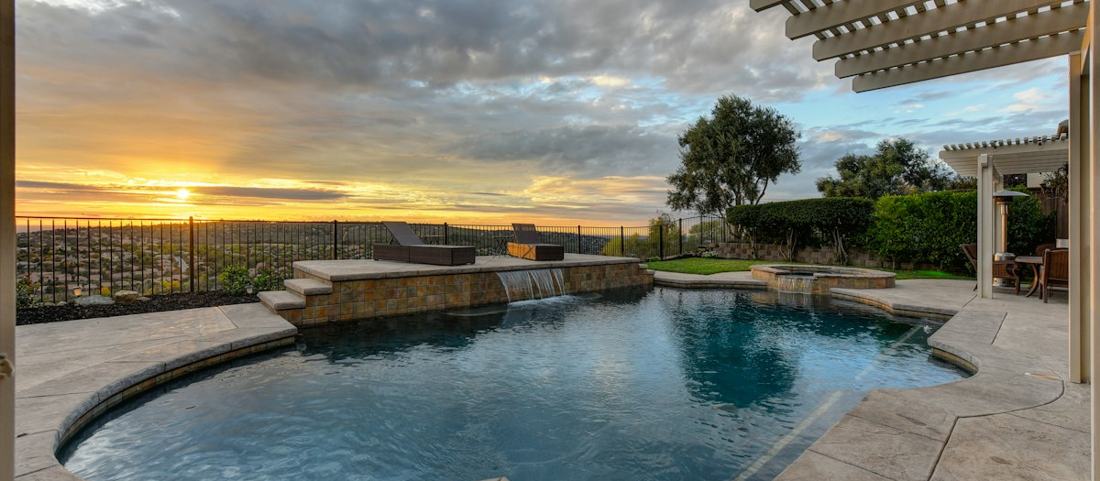
The waterline tiles and the coping are the parts of the pool you actually look at from the deck. When they are drummy, cracked or dated, the whole backyard looks tired even if the water is perfect. Redlands Pool Renovations connects you with experienced, insured local renovators who handle pool tiling and coping across the Redlands mainland, from a simple waterline retile to fully tiled interiors and new stone coping.
In Queensland, building work valued over $3,300 generally requires a QBCC-licensed contractor, and any electrical work must be done by a licensed electrician. Work is referred to independent contractors, licensed where the work requires it. Ask to see the licence and check it on the QBCC register before work starts.
Waterline tiling
The band of tiles at the waterline cops the worst of everything: constant wet and dry cycling, sun, salt and calcium build-up. On pools from the 1970s to the 90s, which is most of the older stock through Alexandra Hills, Birkdale, Cleveland, Ormiston, Wellington Point and the old Redland Bay village, the original glazed waterline tiles are often crazed, missing or stuck fast with white scale that no amount of scrubbing shifts. A waterline retile replaces that band with new glass mosaics or ceramic tiles, usually while the pool is drained for resurfacing. Doing it at the same time as a new interior is the smart sequencing, because the tiler and the resurfacer need the same empty pool.
Coping
Coping is the capping around the pool edge, and it does real work: it protects the top of the pool shell, directs splash away from the bond beam, and gives swimmers a safe grip edge. Common upgrades here are replacing old brick or terracotta bullnose with sandstone, travertine or concrete pavers with a drop-face edge. Loose or lifting coping is worth fixing promptly, because water getting behind it attacks the bond beam and turns a paving job into a structural one.
If the coping replacement changes levels, or ties into a deck or a retaining element around the pool, there can be approval and engineering questions attached. Those sit in the Building Regulation and are applied by councils and private building certifiers rather than by the QBCC, which licenses the contractors. The builders we work with confirm what your job needs before quoting.
Fully tiled pools
A fully tiled interior is the premium finish: glass mosaic or porcelain across the entire pool. It costs considerably more than pebble or quartz and takes longer to lay, but it is among the most durable finishes and gives the premium look, which is why it turns up on the canal fronts at Cleveland and on the acreage builds at Sheldon and Mount Cotton.
What tiling and coping costs
Guide pricing only, because tile choice swings the numbers widely. A waterline retile on a standard family pool is commonly a few thousand dollars, with glass mosaics at the upper end. New coping around a typical pool often lands between roughly $5,000 and $15,000 depending on the stone and whether the old coping comes off cleanly. Fully tiled interiors start around the cost of a premium resurface and go up from there. Every job gets a fixed written quote before work starts, and the cost guide has more detail.
Why it pairs with resurfacing
Most tiling and coping work happens as part of a wider renovation. If the pool is being drained for resurfacing anyway, the marginal cost of new waterline tiles is far lower than draining the pool twice. The renovators we work with will tell you plainly what is worth doing while the pool is empty and what can wait.
Salt, scale and the canal estates
Nearly every pool here runs a salt chlorinator, and salt water plus bay air is tough on grout and tile adhesives. Modern epoxy grouts and flexible adhesives handle it far better than the materials used when most of these pools were built, which is one reason a retile done properly today outlasts the original.
On the two canal pockets, Raby Bay in Cleveland and Aquatic Paradise in Birkdale, the exposure is in a different class. Salt comes off the water as well as out of the pool, and it works on grout, on porous coping stone and on every metal fixing in reach. Materials choice matters more there, and so does sealing porous coping on a regular cycle rather than once at handover.
Access on the older blocks
The compact 1970s and 80s lots through Alexandra Hills, and the older bayside blocks at Thorneside and Birkdale, often give a side path about a metre wide with the air conditioner and the hot water unit already using part of it. Coping replacement on a block like that means every stone barrowed in by hand. It is routine work here, it just needs pricing honestly, so tell the renovator the access width when you ask for a quote.
Frequently asked questions
Can you replace waterline tiles without draining the whole pool?
Usually the water only needs to drop below the tile band rather than drain fully. If other work is happening the pool will likely be emptied anyway.
What coping material works best near salt water?
Dense stone such as travertine or quality concrete pavers, sealed properly, handle salt well. Soft or porous stone on a canal front needs regular resealing. The renovator will steer you to what suits your pool and budget.
How long does a retile and coping job take?
A waterline retile alone is typically a few days. Coping replacement around a full pool usually runs about a week, longer if the bond beam needs repair or the weather interrupts.
My coping is lifting. Is that urgent?
Treat it as a this-season job rather than a someday job. Water tracking under loose coping damages the beam beneath, and beam repairs cost far more than new pavers.