Pool resurfacing in the Redlands
Updated October 2026
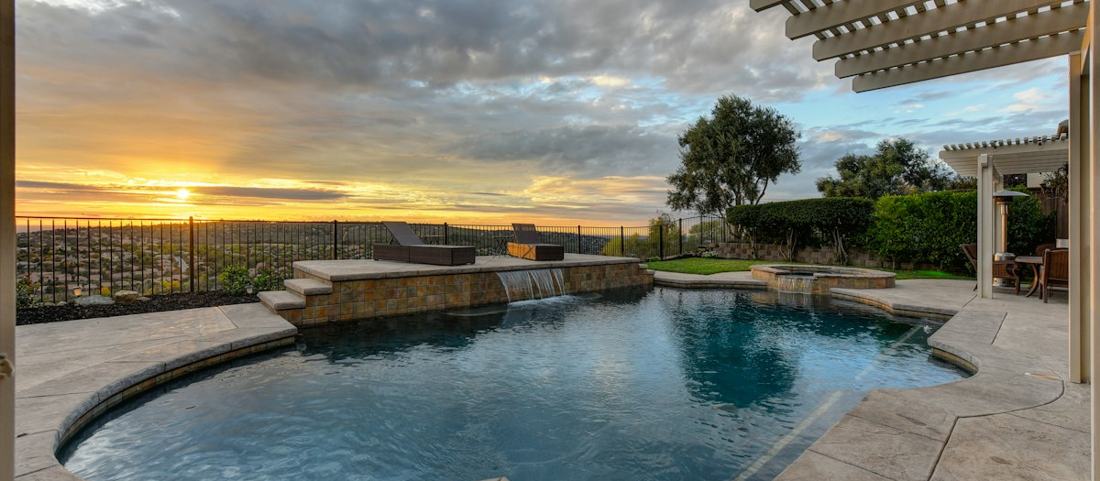
If your pool interior feels rough underfoot, stains no matter how well you balance the water, or sheds pebbles into the skimmer basket, the surface has reached the end of its life. Resurfacing is the core of what the renovators we work with do, and the Redlands gives them plenty of it. Redlands Pool Renovations connects you with experienced, insured local pool renovators who strip the old interior and apply a new finish that should last decades.
In Queensland, building work valued over $3,300 generally requires a QBCC-licensed contractor, which covers a resurface on most pools. Work is referred to independent contractors, licensed where the work requires it. Ask to see the licence and check it on the QBCC register before work starts.
Why the Redlands has so much of this work
The old bayside spine from Thorneside through Birkdale, Wellington Point and Ormiston down to Cleveland was built out from the post-war years to the 1980s, and the pools behind those houses are marblesheen, pebble or painted concrete from the same era. Alexandra Hills is the sharpest example in the local government area, because it went in as one long subdivision push through the 1970s and 80s, so the shells and the interiors along a street are all the same vintage and all reach the end of their life together. The old Redland Bay village and the older parts of Victoria Point run the same pattern.
We put no number on how many pools that is. There is no published, suburb-level pool count for Redland City, and the QBCC Pool Safety Register is searchable by address rather than released as suburb data, so a figure would be invented. What is true without a number is that a 1980s interior is on its second surface by now or overdue for it.
Signs your pool needs resurfacing
- Rough, chalky or drummy patches you can feel with your hand
- Pebbles or render collecting in the skimmer or on the floor
- Stains and black spot algae that return after every treatment
- Rust spots or crack lines showing through the surface
- A finish past 15 to 20 years old, which covers most original 1970s to 90s marblesheen and pebble
A tired surface is more than cosmetic. Rough render grabs algae, chews through chemicals and scrapes feet, and exposed patches let water reach the concrete shell underneath.
Finish options
Pebble. Still the workhorse. Modern exposed pebble blends are smaller, smoother and come in far more colours than the pebblecrete poured decades ago. Durable and forgiving in salt pools.
Quartz and glass bead. A finer, smoother finish with more colour depth. Costs more than plain pebble but feels noticeably better underfoot and gives the modern blue-water look.
Fibreglass lining. A fibreglass layer applied over the existing shell. A solid option where the concrete has movement cracks, because the lining bridges small cracks that would telegraph through a cement-based finish.
Paint is the budget route and has its own page at pool painting, because it is a different job with a different lifespan.
What resurfacing costs
As a guide only, resurfacing a standard family pool with an exposed pebble finish typically runs somewhere between $8,000 and $15,000, with premium quartz or glass bead finishes running higher, in some cases beyond $20,000 on larger pools. Fibreglass lining usually lands in a similar band. Access, pool size and how much preparation the old shell needs all move the price, which is why the renovators we work with quote after seeing the pool. The pool renovation cost guide breaks the numbers down further.
What the job involves
The pool is drained, which takes some planning here. Pool water should be discharged in line with the current local requirements rather than straight into the street stormwater, and water and sewerage in the Redlands is supplied by Redland City Council itself, through its water and wastewater business, City Water (previously Redland Water), so confirm the current discharge rules with the council first. The old surface is then prepared or stripped back, cracks and hollow spots are repaired, waterline tiles are replaced or kept, and the new finish is applied and cured. Most resurfacing jobs run one to two weeks door to door, weather permitting, and in a wet summer that caveat earns its keep. Many owners bundle new waterline tiling and coping or an equipment upgrade into the same drain-down, since the pool is already empty.
Draining on low-lying bayside ground
One local wrinkle worth knowing. Through the low bayside and estuarine ground at Thorneside, Cleveland, Victoria Point and Redland Bay the water table can sit high, and an empty concrete shell in saturated ground can float. A renovator who works this ground will check the hydrostatic valve, time the drain-down around the weather, and in some cases stage the work rather than empty the pool outright.
The same ground brings a second consideration. The Redland City Plan maps potential acid sulfate soils across this coastal and estuarine lowland, and the rules require that disturbance be minimised and managed so acid and metal contaminants are not released. So if your job involves excavation or dewatering below the natural surface, rather than a straight interior replacement, that can come into play. This site does not state a trigger depth, because the thresholds come from the state planning policy and the City Plan mapping and are site-specific. The contractor confirms what applies to your block before quoting.
The canal fronts
Raby Bay in Cleveland and Aquatic Paradise in Birkdale are salt-water canal estates, and a resurface there is rarely only a resurface. Salt air shortens the life of pump and chlorinator housings, light fittings, balustrade fixings and gate hardware, so the sensible quote covers the interior and the corroded hardware in one visit rather than leaving you to call someone back in a year.
Trees stay
The Redlands is one of the most significant koala areas in South East Queensland, and clearing or cutting into a protected tree runs into state koala habitat mapping, the council's environmental significance overlay and the council's vegetation local law at the same time. The renovators we refer do not do vegetation clearing, and they will not price a tree out of the way of your pool. What they will do is design the job around it, which is the better answer anyway, because a mature tree over a pool is shade you would otherwise pay for.
Frequently asked questions
How long does a new pool surface last?
A quality pebble or quartz finish, kept in balanced water, commonly lasts 15 to 20 years. Paint lasts a fraction of that, which is why it is the cheaper job.
Can you resurface over the old finish?
Sometimes. If the old surface is sound it can be prepared and coated over. If it is drummy or delaminating it has to come off first, which adds labour. The quote will say which applies to your pool.
Do I need approval to resurface?
Like-for-like resurfacing is generally treated as repair and maintenance rather than new pool building work, but your barrier still has to comply once the work is done. If the job changes levels, coping heights or anything retaining around the pool, those rules sit in the Building Regulation and are applied by councils and private building certifiers, so check with Redland City Council or a private certifier before you commit.
Is resurfacing worth it before selling?
Often, yes. A fresh interior transforms how a pool presents, and buyers discount hard for a stained, rough pool. Deal with the barrier early so the pool safety certificate does not hold up the sale.